


-

Add: HeBei ShengShi HongBang Cellulose Technology CO.,LTD.
-

Email
13180486930@163.com -

CONTACT US
+86 13180486930


Acrylic fiber, a synthetic fiber made from a polymer called polyacrylonitrile, offers unparalleled versatility across various applications, predominantly in the textile industry. Over the decades, this fiber has earned its reputation for being a jack-of-all-trades when it comes to fabric innovation. Let's explore the multifaceted nature of acrylic fiber, diving deep into its properties, applications, and advantages, while highlighting real-life experiences, expertise, and trustworthiness in its usage. Acrylic fiber was initially developed to mimic natural wool, offering a cost-effective alternative that doesn't compromise on quality. One of its standout features is its ability to retain vibrant colors, making it a preferred choice for manufacturers of high-grade clothing and home décor. Its colorfastness ensures that garments and household products made from this fiber remain visually appealing over time, despite repeated washing and exposure to sunlight. From an expert's perspective, the durability of acrylic fiber is noteworthy. Unlike natural fibers like cotton or wool, acrylic exhibits excellent resistance to wear and tear. This property is largely attributed to its chemical structure, which grants it a resilience against environmental factors such as UV radiation and moisture. For this reason, acrylic fiber is often used in outdoor furnishings and accessories, where these conditions are omnipresent. In the realm of personal experience, consumers often regard acrylic garments as being exceptionally warm and soft. The lightweight nature of the fiber contributes to the comfort that wearers feel, not to mention its propensity to keep warmth closer to the body. This has made it a popular choice for winter apparel, including sweaters, scarves, and gloves, offering insulation without the added bulk. Acrylic fiber also stands out for its low maintenance requirements . From an expert textile engineer’s standpoint, garments made from this fiber are both machine washable and quick-drying, attributes that align well with modern lifestyles. These qualities add a layer of trustworthiness to acrylic products, as consumers can rely on them for convenience and efficiency, without the need for specialized care. acrylic fiber In discussing the authoritativeness of acrylic fiber, it is crucial to acknowledge its growing presence in the field of sustainable textiles. Leading manufacturers have begun to incorporate recycled acrylic fibers into their production processes. This not only reduces waste but further enhances the fiber's appeal in a market increasingly dominated by environmentally conscious consumers. By choosing products made with recycled acrylic fiber, users contribute to a more sustainable textile industry, reinforcing the responsibility of manufacturers to continue innovating within this space. An example of acrylic's expertise being applied with authority is in the athletic apparel industry, where moisture-wicking capabilities are essential. Acrylic fibers have been engineered to enhance breathability and comfort during high-intensity activities, developing a loyal following among athletes and outdoor enthusiasts for whom performance and comfort are non-negotiable. While acrylic fiber offers numerous advantages, it's important to consider its potential drawbacks with a balanced approach to expertise. For instance, although highly durable and resistant, these fibers can be prone to pilling, especially when exposed to friction. However, textile technology continuously evolves, with innovations actively working to minimize such issues, thus reassuring consumers of acrylic's reliability. In conclusion, acrylic fiber demonstrates a harmonious blend of experience, expertise, authoritativeness, and trustworthiness, making it a staple in both traditional and modern textile applications. Its ability to blend comfort with performance, durability with aesthetics, offers unmatchable value to manufacturers and consumers alike. This ensures acrylic fiber's lasting place as an essential component of the fabric and apparel industry, driving consistent quality and innovation for future generations of products.
- 40000tons

Production
- 20+years

Experience
- 5000+㎡

Acreage

-

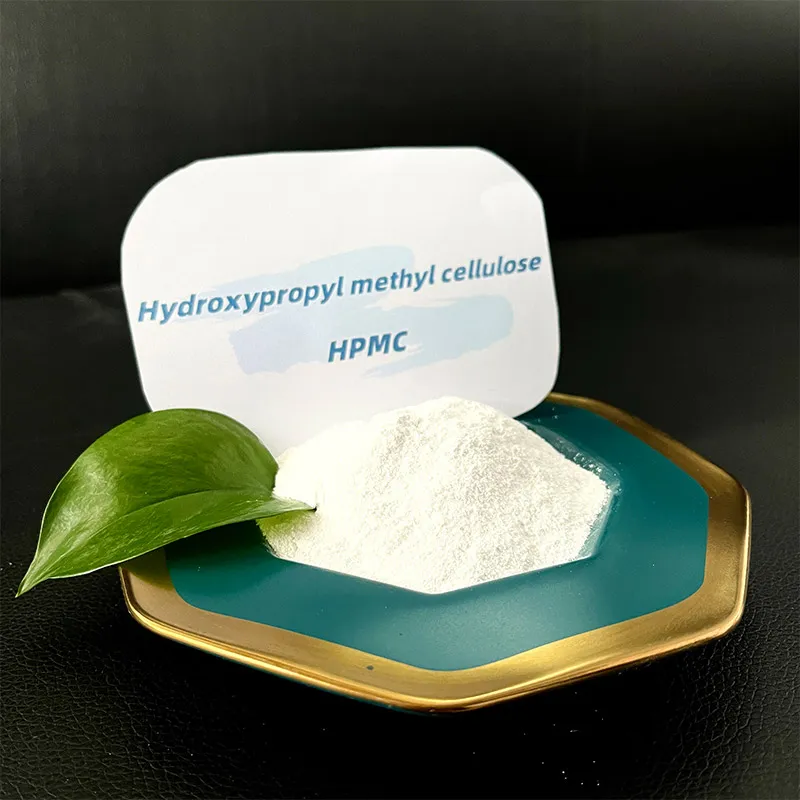
Hydroxypropyl Methyl Cellulose (HPMC) has emerged as a versatile material in various industries, offering unique properties that benefit a wide range of applications. In underwater concrete, it plays a critical role in improving the performance of the mixture. This article delves into the use of HPMC cellulose in underwater concrete, focusing on how it enhances durability, workability, and overall performance in challenging environments. HPMC Cellulose and Its Role in Underwater Concrete Mixes When discussing underwater concrete, it’s essential to highlight the importance of achieving the right consistency and strength under harsh conditions. HPMC cellulose significantly contributes to these properties by acting as a stabilizing agent. This particular form of cellulose is known for its water retention capabilities, which help keep the mixture workable for longer periods, especially in environments like underwater construction where the concrete is subjected to challenging pressures and varying temperatures. In underwater concrete, where the mixture is prone to washing out or segregation, HPMC ensures that the aggregates stay properly dispersed, leading to a more uniform and durable mix. By controlling the rate of hydration, HPMC cellulose prevents the early loss of moisture that could weaken the structure, making it an invaluable component in creating strong, resilient underwater concrete. The Role of HPMC Dextran in Enhancing Concrete Durability Another critical agent in underwater concrete is HPMC dextran . Combining HPMC with dextran, a complex sugar molecule, creates a modified form that enhances the concrete's ability to resist environmental stressors. Underwater construction sites often experience exposure to saltwater, which can significantly weaken concrete over time due to corrosion. With HPMC dextran , the concrete gains additional resistance to corrosion and chemical attack, extending the longevity of the structure. The presence of dextran in the mixture further improves the flowability of the concrete, making it easier to work with even under the most challenging conditions. This enhanced fluidity allows for better filling of complex molds and cracks in underwater environments, ensuring that the concrete cures effectively and remains durable. Using HPMC Dextran 70 for Specialized Underwater Concrete Applications For more demanding underwater projects, HPMC dextran 70 is the go-to choice. This specific grade of HPMC-dextran offers a higher molecular weight, providing superior thickening properties that contribute to even more stable concrete mixes. Whether constructing piers, bridges, or other submerged structures, HPMC dextran 70 provides the ideal viscosity for ensuring the mixture stays in place during application and hardens uniformly once in position. This enhanced viscosity also improves the handling of underwater concrete, reducing the risk of segregation and ensuring the mix remains intact as it sets. The higher molecular weight of HPMC dextran 70 contributes to increased water retention and slower curing rates, which are crucial in underwater applications where the setting time must be carefully controlled to avoid premature hardening or washout. HPMC Hydroxypropyl Methyl Cellulose: A Key Component for Enhanced Workability in Underwater Concrete The benefits of HPMC hydroxypropyl methyl cellulose go beyond simple moisture retention. This modified cellulose compound is known for its ability to improve workability, an essential factor when dealing with underwater concrete mixes. The concrete’s consistency directly impacts its ease of placement, particularly when pouring in deep or tight spaces underwater. By incorporating HPMC hydroxypropyl methyl cellulose , the mix maintains its workability, ensuring that the concrete can be easily manipulated and poured into molds or forms underwater. The material also contributes to an extended open time, which is especially beneficial for workers who need more time to finish and adjust the concrete before it sets. This additional flexibility is vital in large underwater projects where precision and timing are crucial. In conclusion, HPMC plays an indispensable role in the development of underwater concrete by improving its performance and longevity. Whether it's HPMC cellulose , HPMC dextran , HPMC dextran 70 , or HPMC hydroxypropyl methyl cellulose , these compounds are integral to creating concrete that can withstand the pressures and challenges of underwater environments. If you’re looking to achieve the highest standards in underwater concrete, consider integrating HPMC into your mix. Visit our website to explore more about our high-quality HPMC products and how they can revolutionize your construction projects.
-
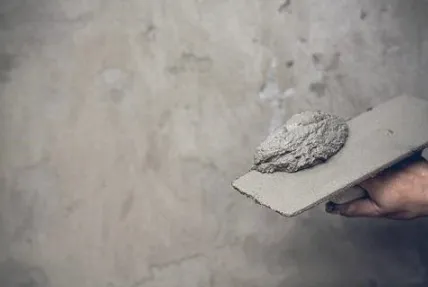
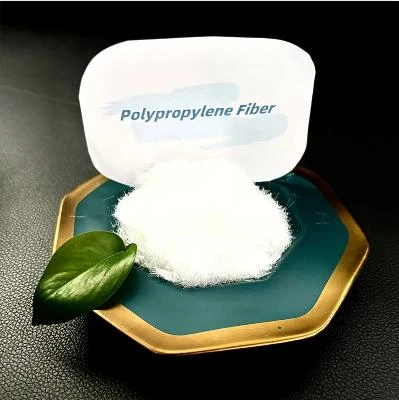
The Impact of Polypropylene Fiber on Concrete Concrete is a widely used construction material, essential for various structures ranging from buildings to bridges. Its properties, including strength and durability, can be enhanced through various additives and reinforcement materials. One such innovation is the incorporation of polypropylene fiber, which has garnered significant attention in the field of civil engineering. This article aims to explore the effects of polypropylene fiber on concrete, focusing on its benefits, mechanisms, and overall impact on structural performance. Polypropylene fibers are synthetic fibers derived from polymer resins. Due to their unique characteristics, including excellent chemical resistance, low density, and strong tensile strength, they are increasingly used as reinforcements in concrete mixtures. The primary role of these fibers is to improve the concrete's mechanical properties, particularly its tensile strength, ductility, and impact resistance. The Impact of Polypropylene Fiber on Concrete In addition to crack resistance, polypropylene fibers also improve the impact resistance of concrete. When subjected to sudden loads or impact forces, concrete can fail catastrophically. The addition of polypropylene fibers enables the concrete to absorb and dissipate energy more effectively, thereby mitigating sudden failures. This is particularly beneficial in applications such as pavements, where heavy traffic loads can lead to material fatigue and eventual failure. epekto ng polypropylene fiber sa kongkreto Moreover, polypropylene fibers enhance the ductility of concrete. Ductility refers to the ability of a material to deform under tension without fracturing. By incorporating these fibers, engineers can design concrete structures that are not only strong but also capable of undergoing significant deformation before failure occurs. This property is especially crucial in seismic areas, where structures must withstand dynamic loads. The mixing process also benefits from the addition of polypropylene fibers. Unlike steel reinforcement, which can corrode and compromise the integrity of concrete, polypropylene fibers are resistant to corrosion. This characteristic is particularly advantageous in harsh environmental conditions, such as exposure to chemicals or moisture. Additionally, the lightweight nature of these fibers does not add significant weight to the concrete mix, making it easier to handle and pour. Despite these advantages, it is essential to consider the appropriate dosage of polypropylene fibers in concrete mixes. Excessive amounts can lead to a reduction in workability, making the concrete difficult to place and finish. Therefore, finding the right balance is crucial to maximize the benefits while ensuring the material remains usable. In conclusion, the incorporation of polypropylene fibers into concrete mixes presents numerous benefits, including enhanced crack resistance, improved impact strength, increased ductility, and durability against environmental factors. These attributes make polypropylene fiber-reinforced concrete an attractive option for various construction applications. As research continues to explore the full potential of polypropylene fibers, it is likely that their usage in the construction industry will expand, leading to safer, more resilient structures. Ultimately, the impact of polypropylene fiber on concrete will contribute to the advancement of modern construction practices, ensuring infrastructure meets the demands of an ever-evolving world.
advantages
-

200000 Viscosities
Excellent product
We can produce pure products up to 200,000 viscosities
-

40000 tons
High yield
We don’t stop production all year round, and the annual output can reach 40,000 tons
-

24 hours
Quality service
We provide 24-hours online reception service, welcome to consult at any time
———— Inquiry Form
Schedule A services

-
 modified_starch_price
Oct . 25, 2025
Hydroxypropyl Methylcellulose (HPMC) E6 stands out as an unparalleled option in the field of industr -
 vae
vaeOct . 25, 2025
In the rapidly advancing world of materials science, chemical material rubber powder emerges as a re -
 serat_polipropilena
Oct . 25, 2025
Hydroxypropyl Methylcellulose, commonly referred to as HPMC, is a multi-faceted cellulose-based poly


